
1. Introduction
Carbon neutral data center operations have emerged as one of the most critical and debated topics in the tech industry, sitting at the crossroads of rapid digital transformation and growing environmental consciousness. As businesses and individuals grow ever more reliant on digital infrastructure, the environmental footprint of data centers has come under intense scrutiny. This article explores the reality behind the carbon neutral data center concept, examining its feasibility, the challenges standing in the way, and its potential to reshape the future of sustainable technology.
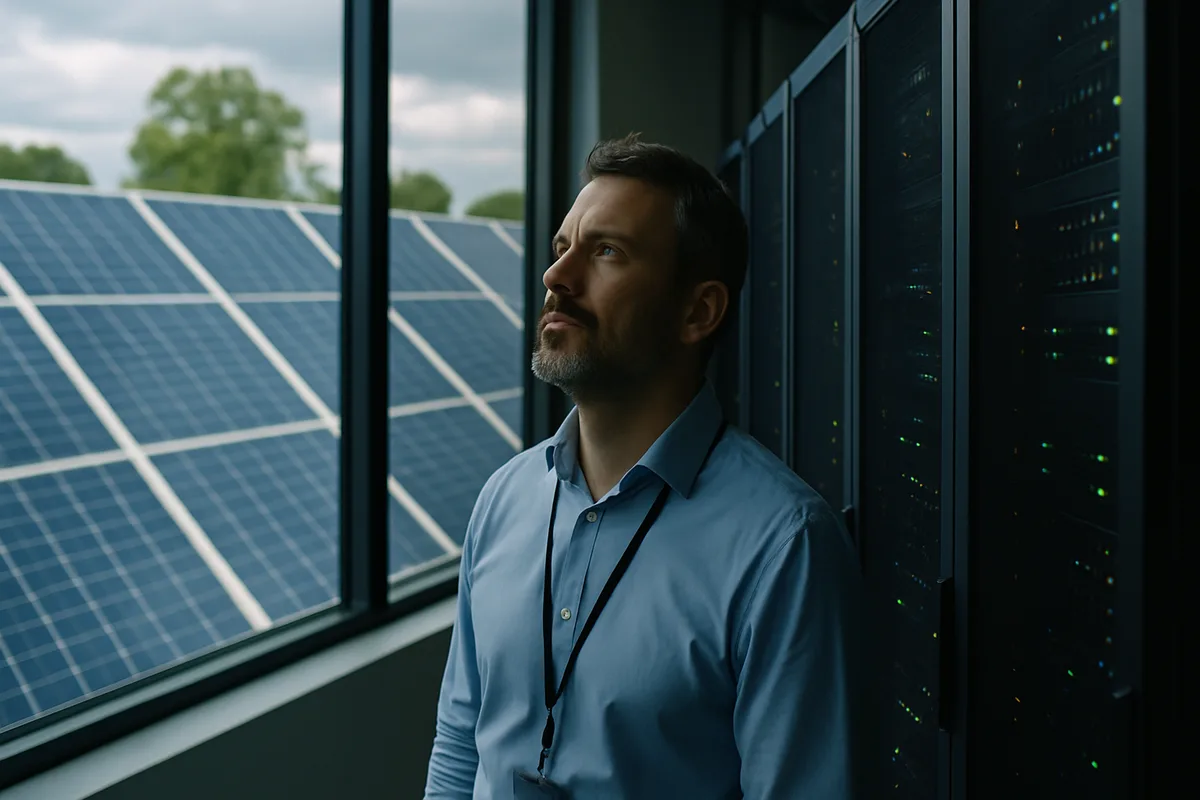
The rapid growth of cloud computing, artificial intelligence, and the Internet of Things has led to an exponential increase in data center energy consumption. With this surge in power usage comes a corresponding rise in carbon emissions, prompting tech companies and environmental advocates to seek innovative solutions for reducing the carbon footprint of these essential facilities. The question remains: Is a truly carbon-neutral data center achievable, or is it merely a lofty aspiration?
2. Understanding Carbon Neutrality
Before delving into the specifics of carbon-neutral data centers, it’s crucial to understand what carbon neutrality means and how it applies to the tech industry.
Definition of Carbon Neutrality
Carbon neutrality, also known as net-zero carbon emissions, refers to the state of achieving a balance between the amount of greenhouse gases emitted and the amount removed from the atmosphere. In the context of data centers, this means that the facility’s operations would not contribute to an increase in atmospheric carbon dioxide levels.
Carbon Offsetting vs. Carbon Reduction
There are two primary approaches to achieving carbon neutrality: carbon offsetting and carbon reduction. Carbon offsetting involves investing in projects that remove or prevent greenhouse gas emissions elsewhere to compensate for the emissions produced by the data center. Carbon reduction, on the other hand, focuses on minimizing the facility’s direct emissions through energy efficiency improvements and the use of renewable energy sources.
3. The Environmental Impact of Data Centers
To appreciate the significance of carbon-neutral data centers, it’s essential to understand the environmental impact of traditional data centers and their contribution to global carbon emissions.
Energy Consumption
Data centers are notorious for their substantial energy consumption. According to recent studies, data centers account for approximately 1% of global electricity usage, with projections suggesting this figure could rise to 8% by 2030 if current trends continue. The majority of this energy is used for powering servers, cooling systems, and network infrastructure.
Carbon Footprint
The carbon footprint of data centers extends beyond their direct energy consumption. The manufacturing and transportation of hardware, construction of facilities, and disposal of electronic waste all contribute to the overall environmental impact. Additionally, the source of electricity used to power data centers plays a crucial role in determining their carbon footprint.
4. Strategies for Achieving Carbon Neutrality
As the tech industry recognizes the need for more sustainable practices, various strategies have emerged to help data centers move towards carbon neutrality.
Energy Efficiency Improvements
One of the primary approaches to reducing carbon emissions is improving energy efficiency within data centers. This can include optimizing server utilization, implementing advanced cooling technologies, and adopting energy-efficient hardware. Power Usage Effectiveness (PUE) is a key metric used to measure the energy efficiency of data centers, with lower values indicating better performance.
Renewable Energy Adoption
Transitioning to renewable energy sources is a crucial step in achieving carbon neutrality. Many tech companies are investing in on-site solar and wind power generation or purchasing renewable energy credits to offset their grid electricity usage. Some data centers are even being strategically located near abundant renewable energy sources to take advantage of clean power.
Carbon Offsetting Programs
For emissions that cannot be eliminated through efficiency improvements or renewable energy adoption, carbon offsetting programs offer a way to compensate for the remaining carbon footprint. These programs typically involve investing in projects such as reforestation, methane capture, or renewable energy development in other parts of the world.
5. Challenges in Implementing Carbon-Neutral Data Centers
While the concept of carbon-neutral data centers is appealing, several challenges must be overcome to make it a widespread reality.
Technical Limitations
The quest for energy efficiency often faces technical limitations. As data centers push the boundaries of performance, the trade-offs between processing power and energy consumption become more pronounced. Balancing the need for high-performance computing with energy efficiency remains a significant challenge.
Economic Considerations
Implementing carbon-neutral technologies and practices often requires substantial upfront investments. While these investments can lead to long-term cost savings, the initial financial burden can be a deterrent for some organizations, particularly smaller businesses with limited resources.
Regulatory and Policy Obstacles
The lack of consistent global regulations and policies regarding carbon emissions and sustainability can create obstacles for companies aiming to achieve carbon neutrality. Varying standards and reporting requirements across different regions can complicate efforts to implement uniform carbon-neutral strategies.
6. Case Studies: Successful Carbon-Neutral Data Center Initiatives
Despite the challenges, several companies have made significant strides towards carbon-neutral data centers. These case studies highlight the progress and potential of sustainable data center practices.
Scandinavian Success Stories
Nordic countries have emerged as leaders in sustainable data center operations, leveraging their cold climates for natural cooling and abundant renewable energy sources. Several major tech companies have established data centers in these regions, achieving impressive levels of energy efficiency and carbon neutrality.
Innovative Cooling Technologies
Some data centers have implemented cutting-edge cooling technologies to reduce energy consumption. Examples include underwater data centers that use the ocean for natural cooling and facilities that capture and reuse waste heat for district heating systems.
Community-Integrated Sustainability
Innovative approaches to data center sustainability extend beyond the facility itself. Some companies have integrated their data centers into local communities, contributing to sustainability efforts through initiatives such as providing excess heat to nearby buildings or supporting local renewable energy projects.
7. The Future of Carbon-Neutral Data Centers
As technology continues to evolve and environmental concerns become more pressing, the future of carbon-neutral data centers looks promising but challenging.
Emerging Technologies
Advancements in areas such as artificial intelligence for optimizing data center operations, next-generation cooling systems, and more efficient server architectures could significantly contribute to reducing the carbon footprint of data centers in the coming years.
Shifting Industry Standards
As sustainability becomes a key focus for businesses and consumers alike, industry standards and best practices are likely to evolve. This could lead to more stringent requirements for energy efficiency and carbon neutrality in data center operations.
The Role of Government and Policy
Government regulations and policies will play a crucial role in shaping the future of carbon-neutral data centers. Incentives for sustainable practices, carbon pricing mechanisms, and mandatory reporting requirements could accelerate the transition to more environmentally friendly data center operations.
8. A Day in the Life of a Carbon-Neutral Data Center Manager
Sarah Chen, the Data Center Sustainability Manager at GreenTech Solutions, starts her day with a smile as she approaches the company’s state-of-the-art carbon-neutral data center. The facility, nestled in a picturesque valley, is surrounded by wind turbines and solar panels that provide a significant portion of its power needs.
As Sarah enters the control room, she’s greeted by her team of engineers and technicians. The large display screens on the wall show real-time data on energy consumption, renewable energy generation, and carbon offset calculations. Sarah’s first task of the day is to review the overnight performance reports, ensuring that the data center maintained its carbon-neutral status despite a surge in processing demands.
Throughout the morning, Sarah collaborates with her team to optimize the cooling systems, adjusting the airflow based on weather predictions and workload forecasts. She then joins a video conference with the company’s carbon offset partners to discuss the progress of their latest reforestation project in South America.
After lunch, Sarah leads a tour for a group of local students, explaining how the data center’s innovative design and technologies contribute to its carbon-neutral status. She takes pride in showing off the facility’s living roof, which not only provides natural insulation but also serves as a habitat for local wildlife.
As the day winds down, Sarah receives an alert about an unexpected increase in energy demand. She quickly assembles a team to investigate and finds that a new AI model being tested is consuming more power than anticipated. Working with the development team, they optimize the code to reduce its energy footprint without compromising performance.
Before heading home, Sarah reviews the day’s carbon neutrality metrics, satisfied that despite the challenges, the data center has maintained its zero net emissions status. As she walks to her electric car, she reflects on the progress they’ve made and the work still to be done in the quest for truly sustainable digital infrastructure.
Water Usage and Conservation
Water consumption is one of the most overlooked dimensions of data center sustainability, yet it rivals energy usage in environmental significance. Traditional cooling systems — particularly evaporative cooling towers — can consume millions of gallons of water annually at a single large facility. As water scarcity becomes an increasingly pressing global concern, CIOs and infrastructure leaders must recognize that a carbon neutral data center strategy is incomplete without an equally rigorous approach to water stewardship.
Emerging cooling technologies offer meaningful pathways to reduce water dependency. Closed-loop liquid cooling systems, rear-door heat exchangers, and immersion cooling solutions dramatically cut water consumption by eliminating the need for evaporative processes altogether. Some operators are also exploring the use of recycled or non-potable water sources for cooling, reducing competition with local municipal supplies and agricultural needs.
Water Usage Effectiveness (WUE), measured in liters of water consumed per kilowatt-hour of IT equipment energy, has become a standard metric for tracking progress in this area. Setting internal WUE targets and disclosing water consumption data alongside energy metrics gives organizations a more honest picture of their total environmental footprint. For data centers located in water-stressed regions, responsible water management is not just an ethical imperative — it is increasingly a condition of their social license to operate.
Scope 3 Emissions and Supply Chain Impact
When organizations evaluate the environmental impact of their data center operations, Scope 1 and Scope 2 emissions — direct combustion and purchased electricity respectively — tend to receive the most attention. However, Scope 3 emissions, which encompass indirect emissions across the entire value chain, often represent the largest and least-addressed portion of a data center's total carbon liability. These include emissions embedded in the manufacturing of servers and networking equipment, the logistics of hardware delivery, and the end-of-life disposal of electronic components.
The production of semiconductors and data center hardware is an energy- and resource-intensive process that generates significant greenhouse gas emissions long before equipment ever reaches a facility floor. When a data center refreshes its server fleet on a standard three-to-five-year cycle, the embodied carbon in that new hardware can substantially offset gains made through operational efficiency improvements. Extending hardware lifecycles, prioritizing suppliers with credible decarbonization commitments, and adopting refurbished or remanufactured equipment are practical levers for reducing Scope 3 exposure.
For technology leaders pursuing a genuine carbon neutral data center designation, engaging the supply chain is not optional. This means asking hardware vendors for product-level lifecycle emissions data, incorporating environmental criteria into procurement scoring, and collaborating with logistics partners to reduce transportation-related emissions. As regulatory frameworks increasingly require full-value-chain emissions disclosure, organizations that have already built Scope 3 visibility into their procurement processes will be far better positioned than those scrambling to reconstruct data retroactively.
Carbon Accounting and Reporting Standards
Credible progress toward a carbon neutral data center requires a rigorous and consistent framework for measuring and reporting emissions. Without standardized accounting methodologies, claims of carbon neutrality risk becoming marketing language rather than verifiable fact. Several established frameworks — including the Greenhouse Gas Protocol, ISO 14064, and the Science Based Targets initiative — provide structured approaches for quantifying emissions across all operational scopes, setting reduction targets grounded in climate science, and demonstrating year-over-year progress.
One of the most significant complications in carbon accounting for data centers is the treatment of renewable energy procurement. The use of renewable energy certificates or guarantees of origin can vary widely in quality and geographic relevance, leading to debates about whether they represent genuine emissions reductions or simply financial offsets. Hourly energy matching — aligning renewable energy procurement with actual consumption in the same grid region on an hour-by-hour basis — is emerging as a more rigorous standard that directly addresses these concerns.
Transparency in reporting is as important as the methodology itself. Organizations that publish detailed, third-party-verified emissions inventories build far greater stakeholder trust than those that release high-level sustainability summaries without supporting data. As institutional investors, enterprise customers, and regulators increasingly demand granular emissions disclosures, technology leaders who invest in robust carbon accounting infrastructure today are building a strategic capability that will pay dividends well beyond environmental compliance.
Green Certifications and Industry Benchmarks
Third-party certifications serve an important function in the carbon neutral data center landscape by providing independent validation of sustainability claims and creating comparable benchmarks across the industry. Certifications such as LEED, ENERGY STAR for Data Centers, and the EU Code of Conduct for Data Centre Energy Efficiency evaluate facilities against defined criteria spanning energy performance, cooling design, building efficiency, and management practices. Achieving and maintaining these certifications signals a genuine, auditable commitment rather than a self-declared aspiration.
Beyond facility-level certifications, industry benchmarks such as the Uptime Institute's Sustainability Rating and the Green Grid's PUE and carbon reporting frameworks give operators standardized tools for situating their performance relative to peers. These benchmarks are particularly valuable for CIOs making investment cases to boards and executive teams, as they translate complex technical efficiency metrics into language that speaks to business risk, operational cost, and reputational positioning.
It is worth noting that certifications reflect a point-in-time assessment, and a facility's sustainability profile can shift significantly as workloads, hardware generations, and grid energy mixes evolve. Leading operators treat certification not as a finish line but as a periodic checkpoint within a continuous improvement program. Building recertification cycles into long-term capital planning ensures that sustainability standards remain current and that the data center's green credentials accurately reflect its actual operating reality.
CIO Leadership and Decision-Making for Sustainability
The CIO occupies a uniquely influential position in determining whether sustainability commitments translate into operational reality. Unlike corporate social responsibility declarations made at the executive level, the decisions that actually shape a data center's carbon footprint — infrastructure investment cycles, vendor selection, colocation versus on-premises trade-offs, and workload placement strategies — sit squarely within the CIO's domain. Technology leaders who treat the carbon neutral data center goal as a core infrastructure design principle rather than a compliance checkbox are the ones driving the most meaningful progress.
Effective CIO leadership on sustainability requires building cross-functional coalitions. Achieving carbon neutrality cannot be accomplished by the IT organization alone; it demands alignment with procurement, finance, facilities management, legal, and corporate strategy teams. CIOs who establish shared environmental KPIs across these functions — and who tie infrastructure decisions to those KPIs — create the organizational coherence necessary to move from aspiration to measurable outcome. This also means having the analytical capacity to model the carbon implications of major technology decisions before they are made, not after.
Perhaps most importantly, CIOs must be willing to challenge incumbent assumptions about performance, cost, and scalability when those assumptions conflict with sustainability goals. This might mean advocating for longer hardware refresh cycles despite vendor upgrade incentives, selecting cloud regions based partly on grid carbon intensity, or investing in more expensive but cleaner cooling infrastructure. The technology leaders most likely to succeed in this space are those who have cultivated both the technical depth to evaluate these trade-offs and the executive credibility to make the case for decisions that prioritize long-term environmental and business resilience over short-term operational convenience.